From a yarn idea to a sample that fits.
Four design centres, a sampling room, a yarn and fabric research institute and a laboratory — the layer between a tech pack and bulk production.
- 4
- Design centres
- 5,000
- Samples a year
- 80%
- First-fit pass
- +30%
- Own tooling
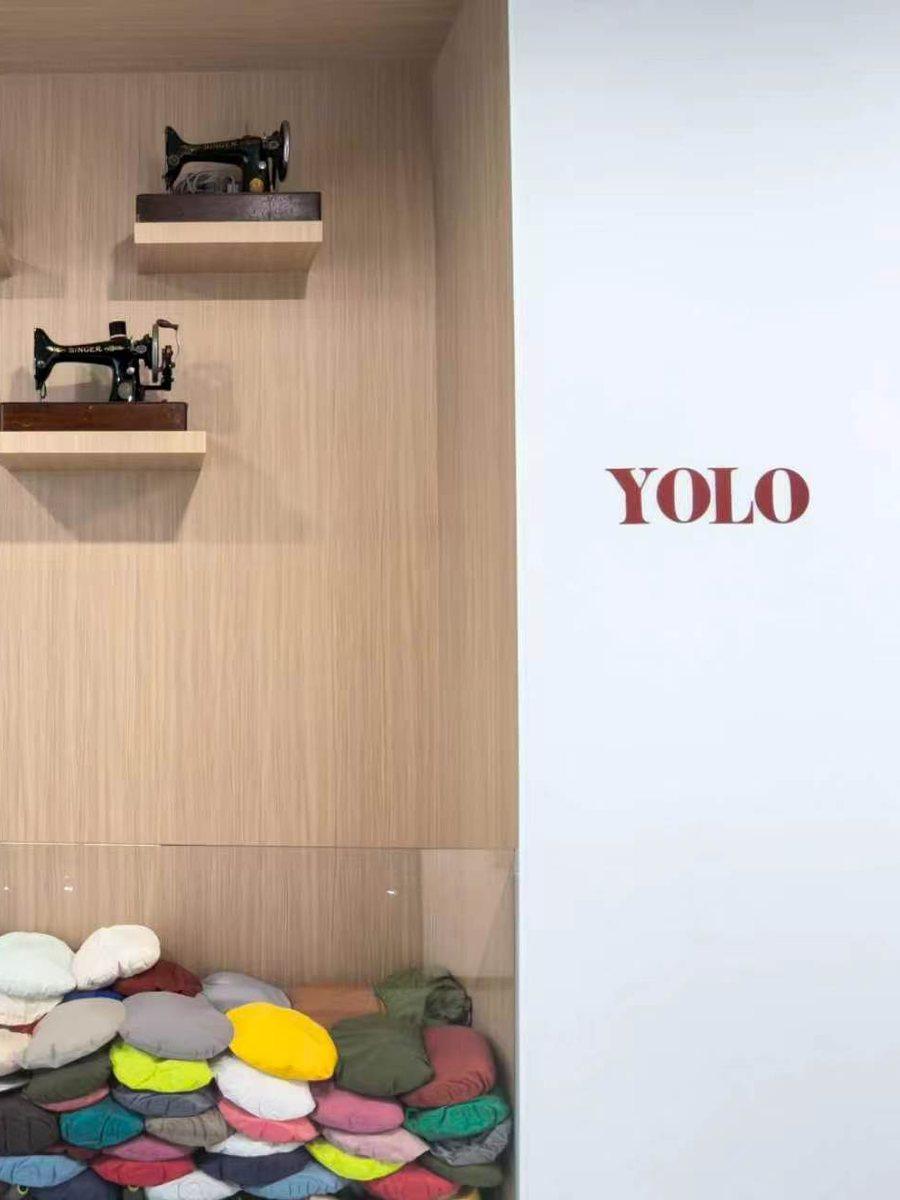
Design
Design, in four time zones.
Hangzhou runs the projects, and it runs them with fabric as the core: the studio sits next to the mill, so a hand-feel decision can be made by walking twenty metres. Spain, Paris and New York read the market and feed trend and range direction back into that studio.
That split is deliberate. A European label wants the trend call made close to its own market, and the construction settled where the fabric is made. Four centres means both can happen in the same week.
On top of it sits a design service layer for brands that arrive with a brief rather than a tech pack — trend forecast, range planning, flat sketches and the first prototypes.
- 3D sampling
- Garments are built in 3D before a cutter touches fabric, so fit and proportion are argued on screen instead of in courier costs.
- AI in the workflow
- AI apps sit in the design loop — pattern variation, size-set checking and the boring parts of tech-pack translation.
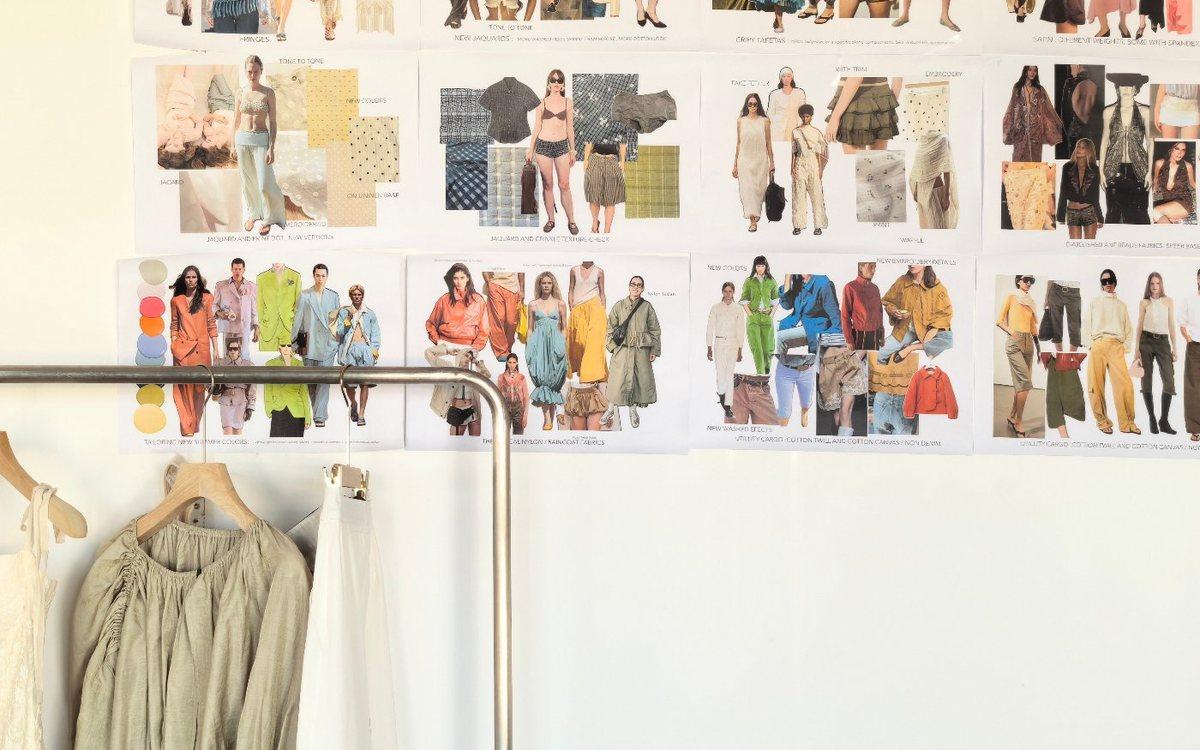
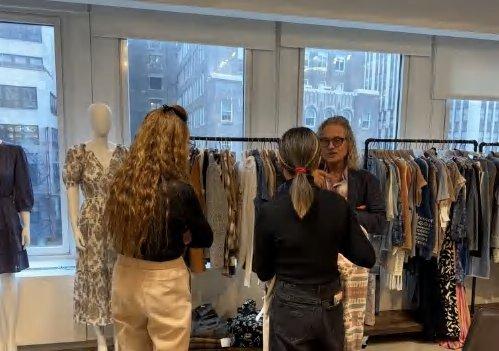
- HangzhouCore
- Projects run with fabric as the core — the studio sits next to the mill and the lab.
- SpainTrend
- Fashion trend forecast and range direction for the European labels.
- ParisTrend
- Trend input and garment design, close to the couture and premium market.
- New YorkTrend
- North American trend reading and design service for US accounts.
Sampling room
Where the drawing meets the line.
About 5,000 samples leave the room in a year, and four out of five fit correctly the first time. That number is the point: every re-fit costs a brand a week and costs us a line slot.
The room also sits in front of the factories. When a construction is difficult, it is solved here — at the front end — rather than discovered on a line of operators who are already being paid to sew it.
It works both ways. A finding on the floor becomes a fixture in the sampling room, and a fixture in the sampling room becomes a faster line. Tooling, trade and research feed each other; that loop is the actual product.
- 0
- Samples a year
- 0%
- First-fit rate
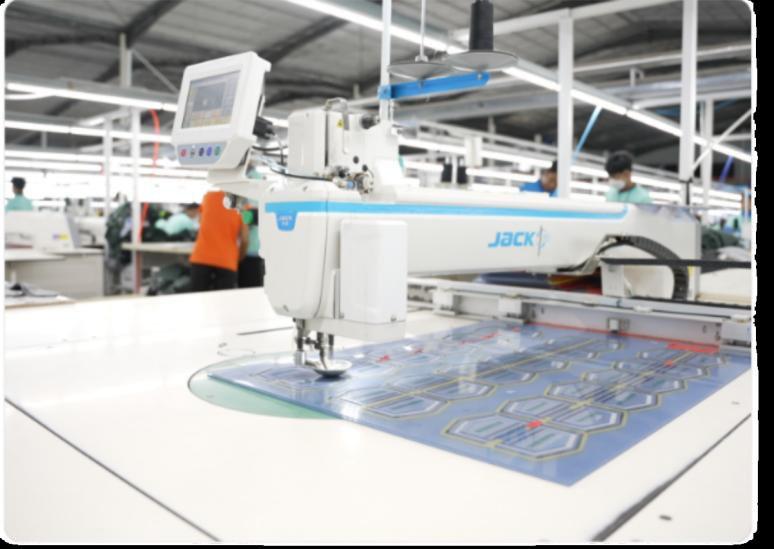
+30% output · −1 operator
Zipper on a template machine
Setting the zipper on a template station lifts production efficiency by 30% and takes one person out of the operation. The fixture is patented.
+30% output · no skilled operator
Upgraded seam machine
A redeveloped seam machine raises efficiency by 30% and no longer needs an operator with sewing skills — with 3D-printed jigs added for the auxiliary steps.
Fewer manual steps
Template tooling
Tooling developed in-house to simplify the operation itself: if a step can be fixtured, it stops depending on who is on the station.
Fabric development
Yarn first, then the fabric, then the garment.
The Yarn & Fabric Research Institute works upstream of design. Cashmere — eco, functional and special — and an animal fibre collection covering merino, mohair and alpaca, each traceable through RWS, RMS, RAS, GRS, OCS and The Good Cashmere Standard.
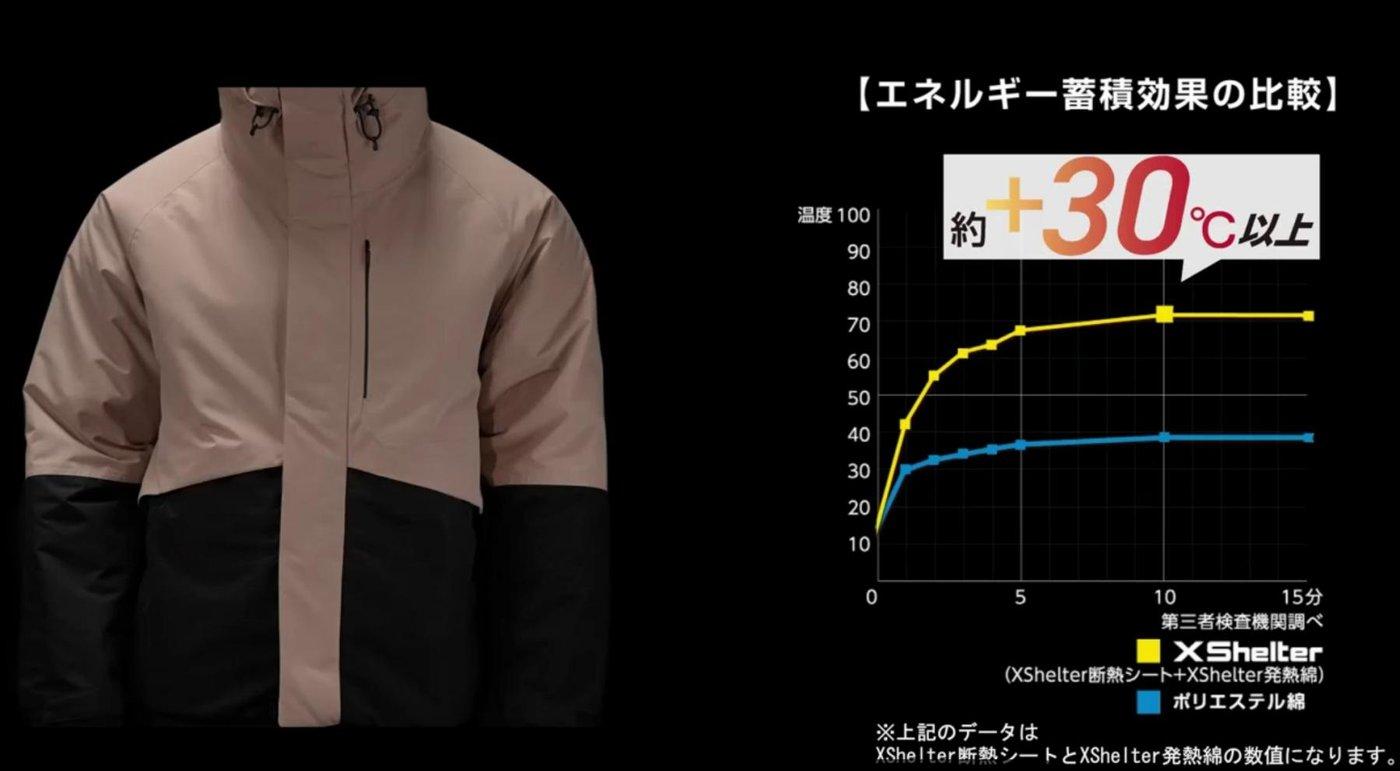
Function is developed against a target, not a brochure: +30 °C on a photothermal lining, 30K/30K waterproof-breathable laminates, down-like synthetics that pass a brand’s own lab before they reach a range.
Price
Innovation
Commercial core
Price-led
High-volume qualities where the brief is cost, hand-feel and repeatability. We keep these on the same mills year after year so the price does not move with the season.
Performance
Balanced
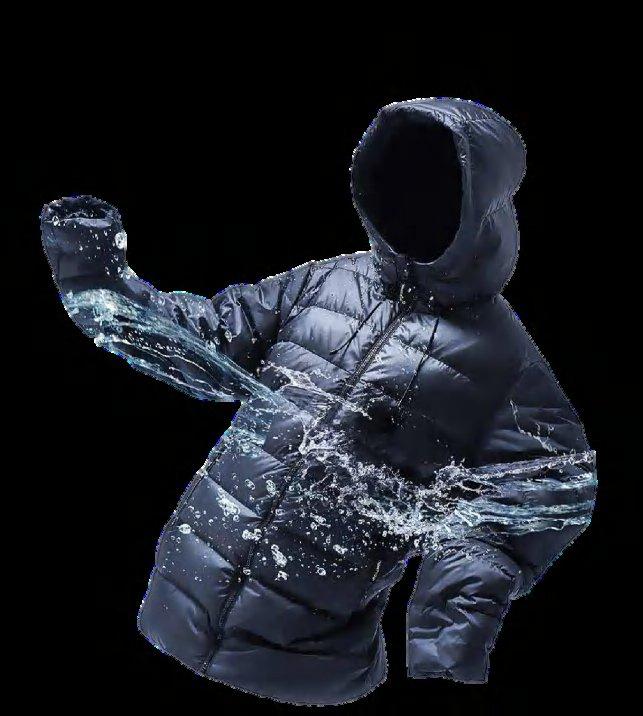
Functional finishes and fibre blends that earn a premium without leaving the volume band — 30K/30K waterproof-breathable, recycled down alternatives, PFC-free repellency.
Frontier
Innovation-led
The fabrics we develop before a brand asks: photothermal linings, down-like synthetics, IP-rated specialities. Small runs, higher cost, first access for the brands we build them with.
Certified to
30K / 30Kwater proof rating / moisture vapour permeability
In production now
- SYCORE-TEX — ISPO Textrends Best Product; 600,000+ metres ordered through 2025.
- Y-WARM — functional-group polymers; 700,000+ metres ordered through 2025.
- ET down — down-like synthetic recognised by Max Mara Group for SS27 development.
Laboratory
Tested here before it is tested by the brand.
Our lab is run in partnership with SGS. Fabric and garment tests happen in-house, so a quality argument is settled with a number before the first bulk roll is cut.
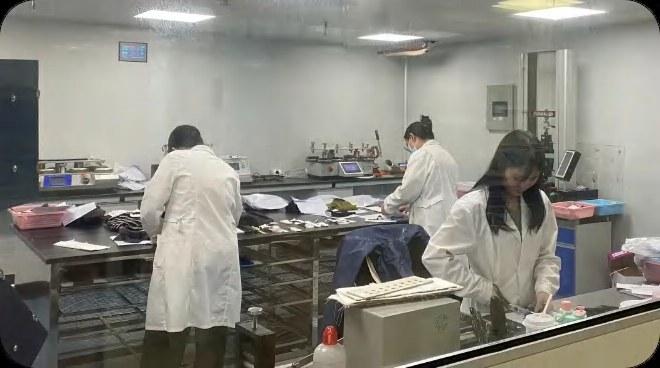
- Dimensional stability to washing
- Tensile / pulling strength
- Colour fastness to washing
- Colour fastness to rubbing
- Single yarn strength
- Tear strength (ISO 139)
- Conditioning oven
Send us the tech pack.
A sketch, a reference sample or a fabric you cannot source — the sampling room can turn any of them into a first fit in about two weeks.